



Best Potting Soil - The Dirt on Dirt
Using the best potting soil is a simple way to get your outdoor container gardens off to a great start.
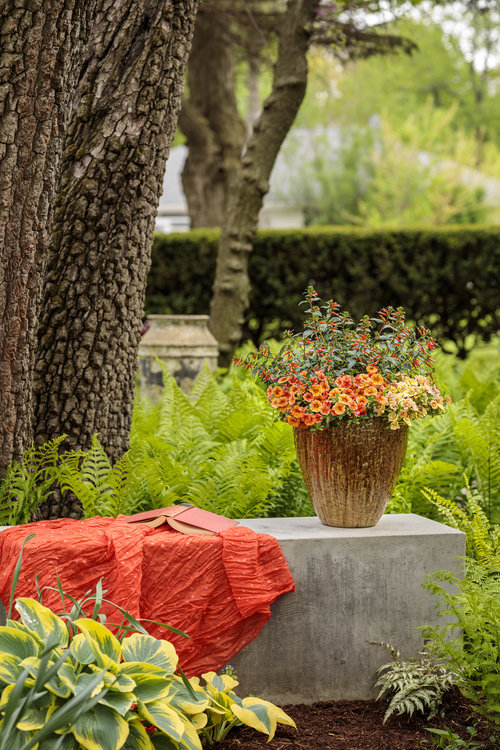 |
| Quality potting soil will help your container plants thrive. |
Shop for Proven Winners Premium Potting Soil.
WHAT MAKES A GOOD POTTING SOIL FOR OUTDOOR PLANTS?
Almost any article on plants ends with "and make sure you use a good potting mix" - great advice, but what does it mean? Let’s go over some of the basics and see if we can answer that question. To know what a good potting mix is you kind of need to know what the purpose of a potting mix is, so let’s discuss that first.
The main functions of a container gardening soil are:
- Retain moisture and nutrients around plant roots.
Soil acts as a reservoir for the water and nutrients your plants need to grow and thrive in a container garden. - Provide adequate air for healthy root growth
Roots need oxygen to survive and should never sit in waterlogged soil. While this is often overlooked, proper aeration is critical when choosing the best potting soil. Without enough air, roots struggle to breathe, leading to poor growth or rot. - Support and anchor the plant
A quality container gardening soil mix settles gently around the roots, holding the plant securely in place so it doesn’t tip or blow over. At the same time, it must remain light enough to allow consistent movement of water and air below the soil surface, creating a balanced environment for healthy root development.
Given that a quality potting soil must perform these essential functions, it can be made from many different ingredients. Some gardeners use soil from their own gardens in containers, while others create custom mixes using peat moss, perlite, or other components for their container gardening soil. Any of these approaches can work, but when making your own potting soil at home, you’ll need to adjust your watering and fertilizing practices to achieve the best results.
From hydroponics to unconventional organic materials, there are countless ways to blend potting ingredients. However, the potting soil available at most garden centers are typically simpler, well-balanced mixes made from a few reliable, high-quality components designed for consistent performance.
 |
| Crowned Best of the Best garden soil by BestReviews.com. |
GENERAL RULES FOR CHOOSING A POTTING SOIL
- Potting soil used in containers should be light and fluffy, allowing roots to grow easily while providing proper drainage and airflow.
- Choose a potting soil made of peat moss, pine bark, and perlite or vermiculite, as these ingredients help balance moisture retention with good drainage.
- Some potting soils include added fertilizer, either as a starter charge or a slow-release formulation. If fertilizer is present, adjust your fertilization schedule accordingly.
- Certain potting soils contain moisture-retention treatments, which may require changes to your watering practices since the soil will hold water longer.
POTTING SOIL INGREDIENTS
Most potting soil sold at garden centers is made up of three basic ingredients: peat moss, pine bark, and either perlite or vermiculite, which provide air space for healthy root growth.
Peat moss
Peat moss is harvested from peat bogs in the northern United States and Canada and is generally considered higher quality than peat sourced from the southern U.S., where bogs are less common. It offers excellent moisture retention while still maintaining enough air space for healthy root growth.
For acid-loving plants like azaleas or hydrangeas, peat moss alone can sometimes be the very best potting soil. However, for most flowering annuals, it is typically too acidic. This is why blended container gardening soil mixes that include peat moss, pine bark, and perlite or vermiculite are usually the best choice.
While straight peat moss can be used as potting soil, care must be taken not to overwater, as it can remain wet for an extended period after watering.
NOTE: If you purchase a bag of dry peat moss, it may initially repel water. The simplest solution is to soak the peat moss overnight—either directly in the bag or in a wheelbarrow or bucket. Once fully saturated, it will retain moisture effectively and be much easier to incorporate into your container gardening soil mix.
Pine bark
Pine bark is a byproduct of paper mills across the United States and Canada and contributes moisture retention, some nutrients, and additional air space to potting soil. On its own, pine bark does not provide enough structure or support for most plants. However, when blended with peat moss in a container gardening soil mix, it helps extend the life of the mix by breaking down slowly, giving plants a healthy growing medium for a longer period of time.
Perlite & vermiculite
Perlite and vermiculite are volcanic in origin and are commonly added to potting soil to increase air space and lighten the mix so it doesn’t become too dense. Perlite provides no nutrients and can absorb fluoride from water, which may affect some sensitive indoor plants, though this is rarely an issue for outdoor, full sun plants. Vermiculite, on the other hand, helps retain moisture and can hold fertilizer for a period of time, keeping nutrients available around plant roots.
Some potting mixes also include recycled materials, such as styrofoam, to achieve similar results. While these are generally acceptable, lighter particles may rise to the surface over time. Using these components together helps create a container gardening soil mix that is both functional and easy to manage, giving plants the best opportunity to thrive.
To summarize:
- Peat moss provides excellent moisture retention and helps hold nutrients around plant roots.
- Pine bark adds structure and anchorage, contributes some moisture and nutrient retention, and improves air space in the mix.
- Perlite and vermiculite supply most of the air space in potting soil, keeping the mix light and well-aerated.
POTTING SOIL WITH FERTILIZER
More and more, you’ll see bagged potting mixes highlighting added improvements right on the package. One of the most common enhancements to container gardening soil is the inclusion of either a starter charge of fertilizer or a slow-release fertilizer blended into the mix. Both are excellent features that make gardening easier, but there are a few important things you should know.
A “starter charge” of fertilizer means a small amount of fertilizer has been added to the potting soil mix to help plants get established. This amount is minimal and does not replace the need for ongoing fertilization—it simply means you don’t need to fertilize immediately after planting. In most cases, a starter charge is depleted after two to three waterings. While it provides a brief boost at planting time, regular fertilization is still necessary for continued healthy growth.
Potting mixes with slow-release fertilizer contain more nutrients to help plants establish, but this fertilizer usually lasts only about a month, so regular feeding is still needed. A potential issue occurs if bags sit too long or become wet during storage, causing the fertilizer to release inside the bag. This can lead to fertilizer burn from excess nitrogen once plants are planted. When buying container gardening soil with added fertilizer, choose dry bags that appear fresh and haven’t been stored for an extended period.
MOISTURE CONTROL POTTING SOIL
Like the fertilizer add-ins, many container gardening soils include moisture-retaining gels or treatments. These additions can help reduce watering needs throughout the season. Moisture control potting soil is best utilized in containers that will be set in full sun and in warmer climates. Take caution when using it in cool climates and in the shade where moisture evaporates much more slowly - wet soil can cause a plant's demise just as quickly as dry soil can.
When temperatures are still cool, you’ll need to take extra care not to overwater, as moisture-retentive soils dry out more slowly than expected. Even the best potting soil with added moisture retainers won’t keep plants watered for weeks at a time. Their effectiveness gradually breaks down over the season, and by mid to late summer they often provide little benefit. Ironically, when water-holding capacity is needed most—during extreme heat—it may no longer be working.
NOTE: Just because a peat moss potting mix stays moist doesn’t mean your plants won’t need fertilizer. In many areas, regular rainfall can keep a container gardening soil consistently wet, but nutrients are still leached out over time. Without regular fertilization, plants can starve even in moist potting soil—especially during periods of heavy rain that wash nutrients out of the mix.
POTTING SOIL VS. GARDEN SOIL, MANURE & MULCH
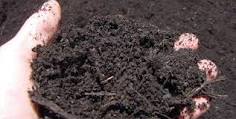 It can be confusing to choose a potting mix at the garden center when it’s displayed alongside so many other products. To keep things simple, buy a mix specifically labeled for containers—look for a bag that says “Soilless Potting Mix.” The other products are intended for use in garden beds or the landscape, not containers.
Garden soil is essentially potting soil blended with heavier, less expensive additives such as compost, sand, clay, and other materials, depending on the manufacturer. While it can be used in containers, it often becomes dense or mucky and may pull away from the sides of the pot as it dries. In general, garden soil is best suited for improving in-ground garden beds rather than container planting.
Manure products are great for the outside garden since they are rich in nitrogen, but not so good for pots since all that nitrogen tends to burn up your flowers instead of fertilizing them. Without making this a chemistry lesson, manure products need to be diluted into your landscape at a rate of about one part manure to two parts landscape soil. Using a manure based soil amendment directly on the roots of landscape plants or flowers will usually cause all the roots to burn and actually delay the plant getting a good start in your garden. So use them with care! Also most manure related products contain a LOT of sand, which makes them heavier - too dense for good use in containers.
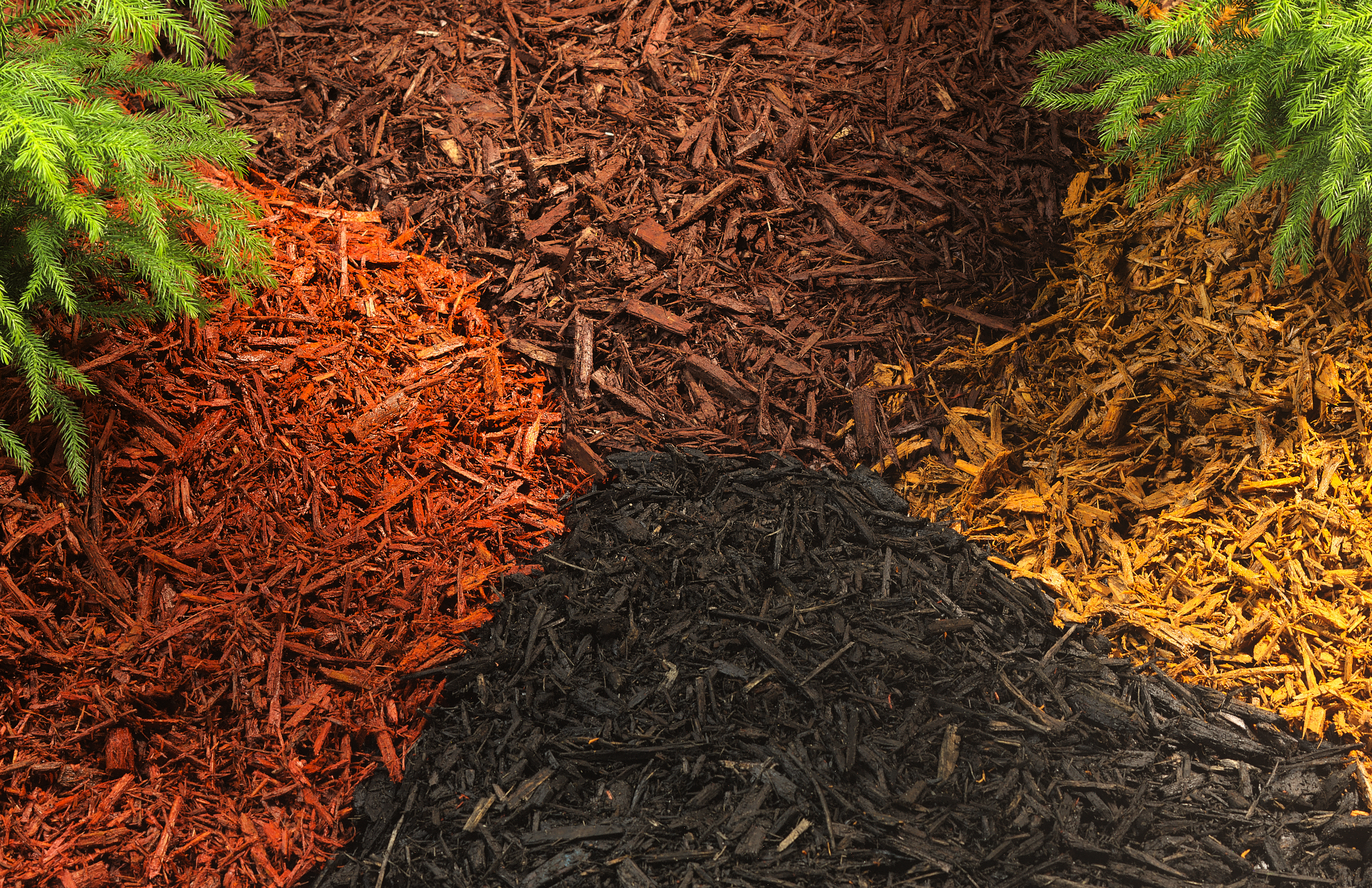
Mulch is made from raw wood products such as bark or wood chips and is intended for use on the soil surface to reduce water loss and suppress weeds. It should not be mixed into flower pots, as raw wood absorbs nitrogen as it breaks down, causing plants to look pale and nutrient-starved. Mulch is best used on top of container gardening soil in gardens and landscapes, where it helps conserve moisture and, when applied thickly, limits annual weeds.
QUALITY ≠ WEIGHT
A lot of consumers confuse heavy potting soil with good potting soil. In most cases when a bag of potting soil is very heavy there are two reasons for it; it is either water-soaked or it contains a lot of sand. In either case, it isn't a good thing. If a potting soil is soaked it can begin to break down in the bag - losing all its air space, becoming compacted and is at risk for carrying root rot diseases besides being nearly impossible to get into your car.
Adding sand to a potting mix is another issue. Unless you are growing cacti, adding sand (which provides anchorage and some air space) is usually not a great idea. In general, sand is added to a potting mix simply because it is a cheap filler. Sand was used instead of more expensive components like peat moss or pine bark. If you live someplace with very high winds, a little sand can help hold plants in place, but in general it is not needed.
FUNGAL GROWTH ON POTTING SOIL
Most prepared soils that are bagged and sold at garden centers and home supply stores have been prepared months in advance of the actual sale. Normally, these mixed soils are composed, sterilized or at least heat-treated to eliminate any diseases, weed seeds and other pathogens that could ultimately impact what you are going to pot and grow in the soil. When you break open the bag and use the mix, you are exposing that sterile soil to a huge assortment of native fungi spores that are ambient in your home and garden. The sterile soil is a perfect home for these fungi (or mildews) since there is no competition for the organic material that makes up the soil mix. These fungi grow fast, especially when given the ideal growing conditions (which seem to be identical to those conditions we want to grow our new spring plants in.) Under normal outdoor growing conditions the fungi are usually short-lived. Drying the soil mix out, exposure to sunlight and simply being exposed to other competitive organisms, the mildews disappear through rapid attrition.
Most of the time, the appearance of these mildews that grow on the soil means absolutely nothing to the health of the plants you are about to plant; other than an indicator that perhaps the soil is too moist or has too much organic material in it. If you want to eliminate the mildew issue, open the bag a few days before you use it and spread it out on a sheet or cloth, expose it to the sunlight, and then re-bag or put it into a soil bin when it is dry. You can use the soil without worry either fresh out of the bag or "conditioned and dried"
Can I reuse the soil in my pots from last year?
We do not recommend reusing the soil in your pots from last year. Here are a few reasons why:
- Soilborne diseases are commonly present in potting soil, which is one of the reasons why fresh potting soil is sterilized before it is bagged for sale. Many such diseases can overwinter in the soil and could reinfect your new plants the following year if you don't start with fresh potting soil.
- By the end of the growing season, the organic components that make up potting soil have broken down into much finer particles, which makes the soil far more dense. Dense is not a positive trait when it comes to soil in containers. Good quality potting soil is lightweight and has a high degree of porosity so water drains easily through it.
- By the end of the growing season, the nutrients in the potting soil will have been used up by the plants growing in it. Additionally, any fertilizer mixed in the soil will have been flushed out of it, leaving it depleted. You new plants will need a new supply of nutrients to be able to thrive.
Can I use a filler material in the bottom of my pots so I don't need as much potting soil?
We do not recommend using anything other than fresh potting soil in your containers. It may save you money in the short term but cost you much more in the long run. Plants need plenty of potting soil to grow in, and the physics of it just don't work. Here's why.
Water moves vertically down through potting soil which is all the same texture and porosity. If it reaches a new layer of material with a different texture and porosity partway down, the water then moves horizontally across that new layer and tends to settle there. If and when it can find its way out through a drainage hole in the bottom of the pot, it will do so eventually, but not before the plants' roots have sat in that soggy layer for a bit, which is an easy way for plants to develop root rot and other fungal diseases. Even if you use small pebbles or styrofoam in the bottom of your containers, the same issue can occur. Container plants need good quality potting soil to thrive.
If you simply cannot fill your entire container with fresh potting soil, we recommend either using a smaller container or one with a false bottom. Many extra-large sized containers come with an insert which can limit the need for a large volume of potting soil. If yours doesn't have one, you can add one like this. Additionally, self-watering AquaPots® Inserts create a false bottom in large containers with the added bonus of keeping your plants watered consistently.
SPECIALTY SOILS FOR ORCHIDS & SUCCULENTS
While the basic peat moss, pine bark and perlite type potting mixes will work fine for almost all annual flowers and mixed potted plants, there are some crops for which specialty mixes might be helpful. The most common is potting mix for orchids.
- Orchids require excellent drainage and most general potting soils are too heavy and hold too much water, so if you want to have healthy orchids you may want to purchase a specialty potting mix.
- Also, cacti and succulents require better drainage than annual flowers and in many cases prefer clay pots as well. Many succulent collectors use a regular potting mix and mix it with 50% sand, it makes the mix very heavy, but very fast draining.

MIXING POTTING SOILS
Like all aspects of gardening, there are many paths to success, and some gardeners swear by mixing their own potting soil using everything from lawn clippings to fish heads to powdered clay. As long as you adjust your watering and fertilizing practices to match your mix, plants are remarkably forgiving—and in some cases may even perform better with custom blends. So feel free to experiment and create your own container gardening soil
Have you ever run out of potting soil in the middle of planting and had to switch to another type halfway through a large container? It happens. If it does, here’s a simple tip: blend the two mixes as thoroughly as possible. Mixing ensures even distribution and gives roots the best chance to grow consistently throughout the container. If one mix is layered on top of another without blending, plants may struggle to grow down into the lower layer.
For the most consistent results, always mix your potting soil thoroughly. Starting with a high-quality best potting soil as your foundation makes this easier and helps ensure strong, healthy growth in containers.
Learn more About Soil with these Articles: